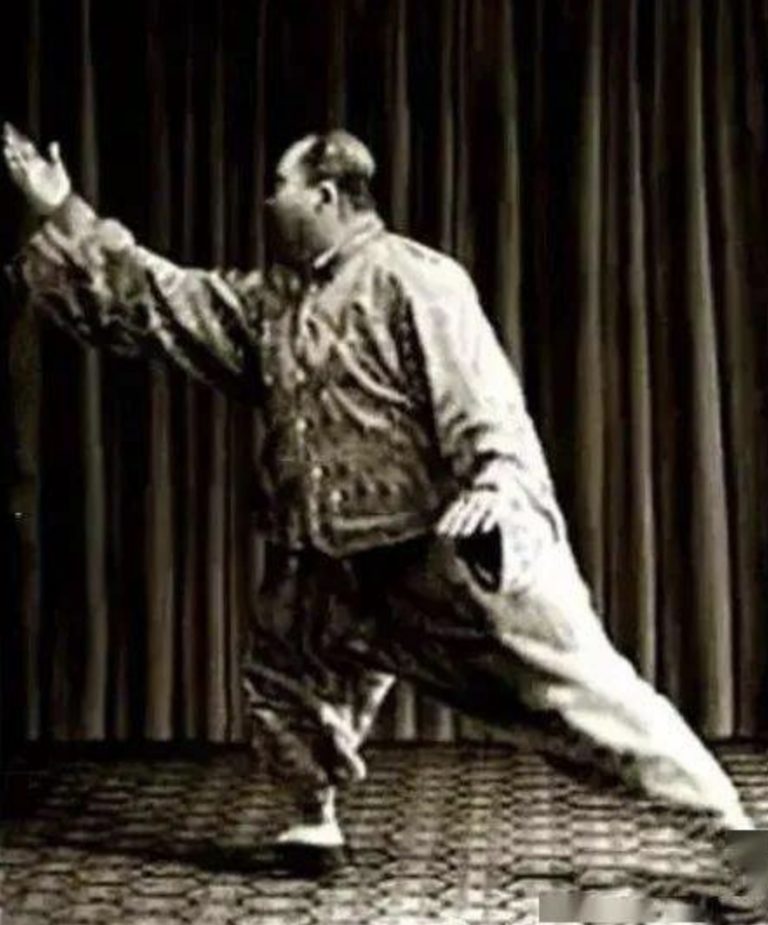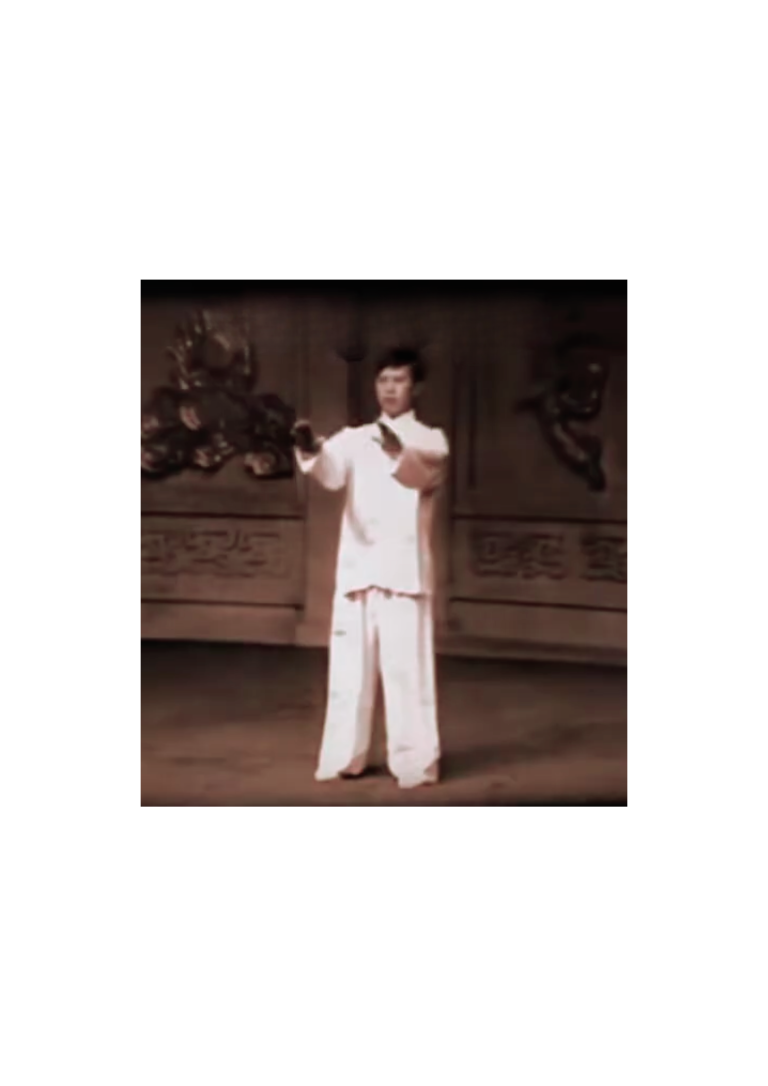
The Tai Chi 24 Form is a simplified Tai Chi Chuan form created by the Chinese Sports Commission in 1956 to standardize and popularize Tai Chi Chuan. It consists of twenty individual movements, with two movements that are performed on both the left and right sides, and one movement that is repeated.
Here is the list of the tai chi 24 form names in Chinese and English. In my training, I am learning the Cantonese names, but I have listed the Mandarin names as well as the English for reference.
|
Number |
Chinese |
Cantonese Jyutping (Yale) |
Mandarin Pinyin |
English |
|
1 |
hei2 sai3 (héi sài) |
qǐ shì |
Commencement; ready position |
|
|
2 |
je5 maa5 fan1 zung1 (yéh máh fān jūng) |
yě mǎ fēn zōng |
Parting the wild horse’s mane |
|
|
3 |
白鶴亮翅 |
baak6 hok6 loeng6 ci3 (baak hok leuhng chi) |
bái hè liàng chì |
White crane spreads its wings |
|
4 |
摟膝拗步 |
zo2 jau6 lau1 sat1 aau3 bou6 (jó yauh lāu sāt aau bouh) |
zuǒ yòu lōu xī ào bù |
Brush knee and push |
|
5 |
手揮琵琶 |
sau2 fai1 pei4 paa4 (sáu fāi pèih pàh) |
shǒu huī pí pá |
Playing the lute |
|
6 |
倒捲肱 |
zo2 jau6 dou2 gyun2 gung1 (jó yauh dóu gyún gūng) |
zuǒ yòu dǎo juǎn gōng |
Step back and repulse monkey |
|
7 |
左攬雀尾 |
zo2 laam5 zoek3 mei5 (jó laam jeuk méih) |
zuǒ lǎn què wěi |
Grasp the bird’s tail — left |
|
8 |
右攬雀尾 |
jau6 laam5 zoek3 mei5 (yauh laam jeuk méih) |
yòu lǎn què wěi |
Grasp the bird’s tail — right |
|
9 |
單鞭 |
daan1 bin1 (dān bīn) |
dān biān |
Single whip |
|
10 |
雲手 |
wan4 sau2 (wàhn sáu) |
yún shǒu |
Cloud hands |
|
11 |
單鞭 |
daan1 bin1 (dān bīn) |
dān biān |
Single whip |
|
12 |
高探馬 |
gou1 taam3 maa5 (gōu taam má) |
gāo tàn mǎ |
High pat on horse |
|
13 |
右蹬腳 |
jau6 dang1 goek3 (yauh dāng geuk) |
yòu dēng jiǎo |
Right heel kick |
|
14 |
雙峰貫耳 |
soeng1 fung1 gun3 ji5 (sēung fūng gun yíh) |
shuāng fēng guàn ěr |
Strike wars with both fists |
|
15 |
轉身左蹬腳 |
zyun2 san1 zo2 dang1 goek3 (jyún sān jó dāng geuk) |
zhuǎn shēn zuǒ dēng jiǎo |
Turn and left heel kick |
|
16 |
左下勢獨立 |
zo2 haa6 sai3 duk6 lap6 (jó hah sai duhk lahp) |
zuǒ xià shì dú lì |
Snake creeps down / left lower body, stand on one leg |
|
17 |
右下勢獨立 |
jau6 haa6 sai3 duk6 lap6 (yauh hah sai duhk lahp) |
yòu xià shì dú lì |
Right lower body, stand on one leg |
|
18 |
穿梭 |
zo2 jau6 cyun1 so1 (jó yauh chyun sō) |
zuǒ yòu chuān suō |
Fair lady works at shuttles |
|
19 |
海底針 |
hoi2 dai2 zam1 (hói dái jām) |
hǎi dǐ zhēn |
Needle at sea bottom |
|
20 |
閃通臂 |
sim2 tung1 bei3 (sím tūng bei) |
shǎn tōng bì |
Fan through the back |
|
21 |
轉身搬攔捶 |
zyun2 san1 bun1 laan4 ceoi4 (jyún sān būn laahn chèuih) |
zhuǎn shēn bān lán chuí |
Turn, deflect downward, parry and punch |
|
22 |
如封似閉 |
jyu4 fung1 ci5 bai3 (yùh fūng chíh bai) |
rú fēng sì bì |
Apparent close-up / seal and close |
|
23 |
十字手 |
sap6 zi6 sau2 (sahp jih sáu) |
shí zì shǒu |
Cross hands |
|
24 |
收勢 |
sau1 sai3 (sāu sai) |
shōu shì |
Closing |
Notes & Observations
[ Attitude ] It has been nearly a year since I started learning the 24 Form. I have worked my way up to #6, Repulse the Monkey [倒捲肱], a pace of just under two postures per month. I can’t help but do the calculation, and yet, I am not complaining.
[ History ] Yang 24 is missing the martial elements that exist in the traditional long form which has 108 movements. This is why the 24 form sequence does not always make sense.
[ Language ] Karate, judo, and taekwondo all preserve the language of their traditions. For example, karate kata are named in Japanese, and practitioners typically learn the Japanese names for kicks, strikes, and blocks. By comparison, much of the terminology used in Kung Fu instruction is translated into English. This leaves room for interpretation, and sometimes, misinterpretation.