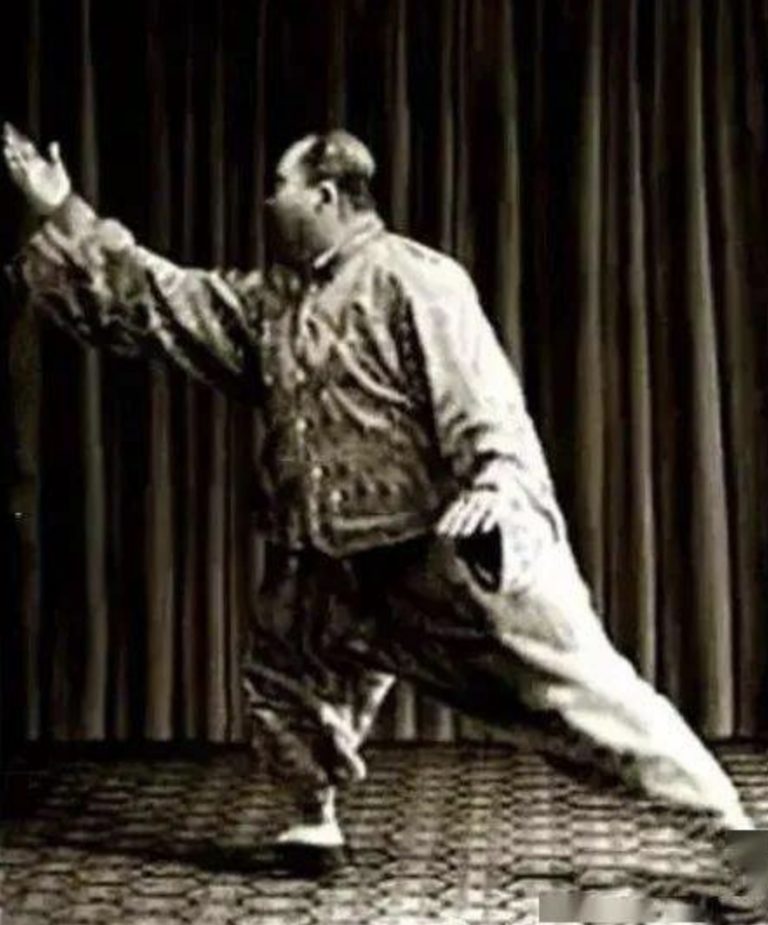
Héi sài is the opening position or commencement of the Yang 24 tai chi form. In Chinese, it is written「起勢」It is also the opening position of the Yang long form and Chen 18 form and Old Frame.
|
Chinese |
Cantonese Jyutping (Yale) |
Mandarin Pinyin |
English |
|
|
起 |
hei3 (héi) |
qǐ (qi3) |
v. rise; get up; stand up |
|
|
勢 |
sai3 (sài) |
shì (shi4) |
n. 1. power, force; 2. momentum |
漢字: 起勢; Jyutping: hei3 sai3; Yale: héi sài; Pinyin: qǐ shì
The photo below is a screenshot from a video showing a side-by-side comparison of héi sài「起勢」in Yang and Chen tai chi forms.
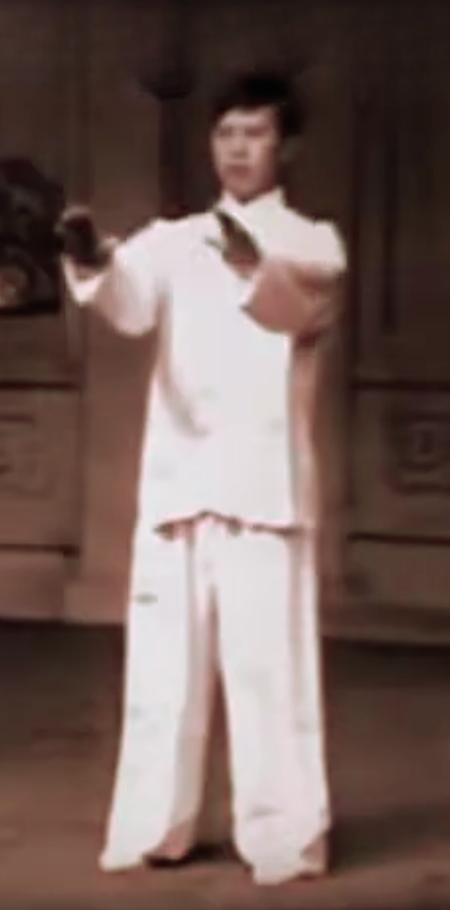
Yang’s tai chi; héi sài「起勢」
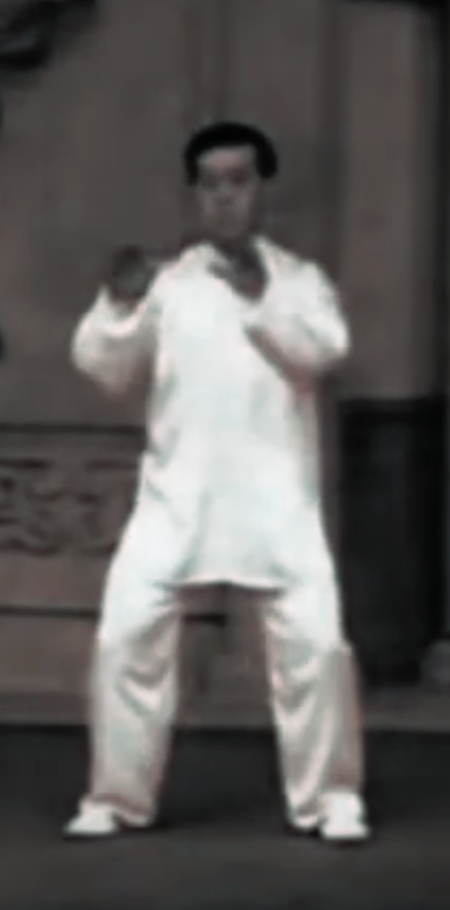
Chen’s tai chi; héi sài「起勢」
Notes & Observations
[ Mindset ] When learning something new, it is not always a good idea to pepper your teacher with every question that comes up in the moment since you may not be ready to make use of the answer and if that is so, you are kind of wasting their time. This is counterintuitive for those of us who went through the western school system where we are constantly encouraged to speak up and ask questions. Nowadays, I will occassionally ask a question, but the ratio of things to work on to questions I need answered is high, and so I have plenty to work on.
[ Comparison ] For just shy of a year, I have been learning Yang 24 form and Chen’s Tai Chi 18 form. The benefit of learning both is that it will allow us to compare and contrast. Yang 24 form was derived from the Yang Tai Chi Chuan Long Form (杨澄甫大架) stripped of martial elements — jumps, stomps, explosive force — and repetition. It was created by the People’s Republic of China as a simplified and standardized way to promote public health. The Yang 24 form is a fundamental form for Wushu competition where points are earned on based on performance and difficulty level.
Chen’s 18 form, on the other hand, is a distillation of the Chen Tai Chi Old Frame form created by Chen Zhenglei (陈正雷), the 11th generation direct descendent of Chen Family Tai Chi Chuan. This shorter form was created to help promote and popularize tai chi and unlike the state-created Yang 24, Chen’s 18 form retains much of the technical and martial characteristics of the Old Frame.
[ Comparison ] Observe the two versions of héi sài and some differences will be noticeable immediately: the bending of the knees in Chen versus a more upright stance in Yang, the way the body — and subsequently the arms and hands — moves is also different. The full video shows the differences between Yang’s tai chi and Chen’s tai chi.